The guides
Guides to the medical side of workers' comp
Five topics that cover what happens between an injury at work and getting back on the schedule. Each explains a process and links to the official source, so you can read the rule yourself.
01 · Start here
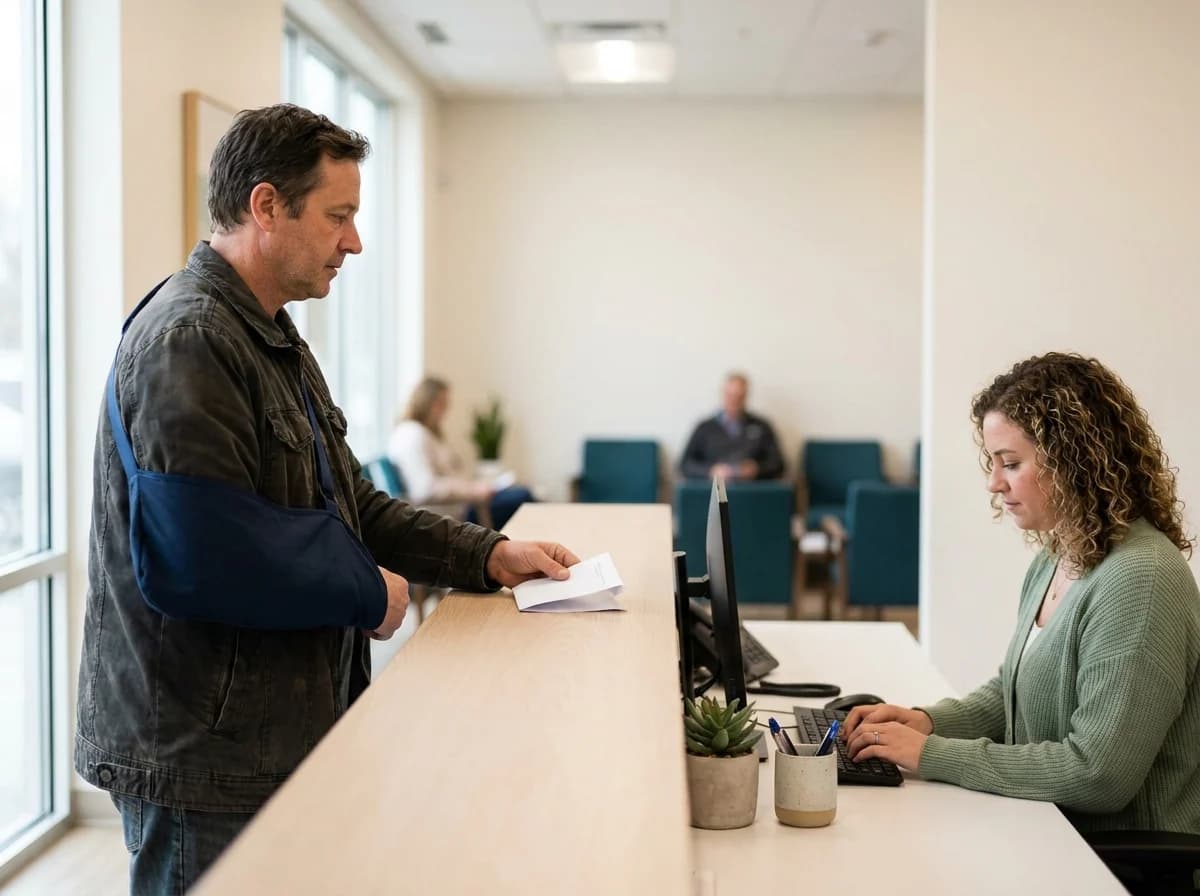
Finding a workers' comp doctor
Not every doctor takes workers' compensation patients, and the rules on who chooses the treating doctor differ from state to state. In some states the employer or insurer directs the first visit; in others the injured worker chooses from the start or after a set period.
This guide walks through the practical side: how to ask a clinic whether it treats workers' comp patients, what paperwork usually helps at the first visit, and how to look up a doctor's license yourself. Each state rule we describe links to that state's own workers' comp agency.
What this guide covers
- Doctors and clinics near you that say they take workers' comp
- Clinic types: occupational health, orthopedic, physical therapy, urgent care
- Whether the insurer can require you to see its doctor, state by state
- Doctors for federal employees under the Federal Employees' Compensation Act
Official sources to read now
02 · Exams in a claim
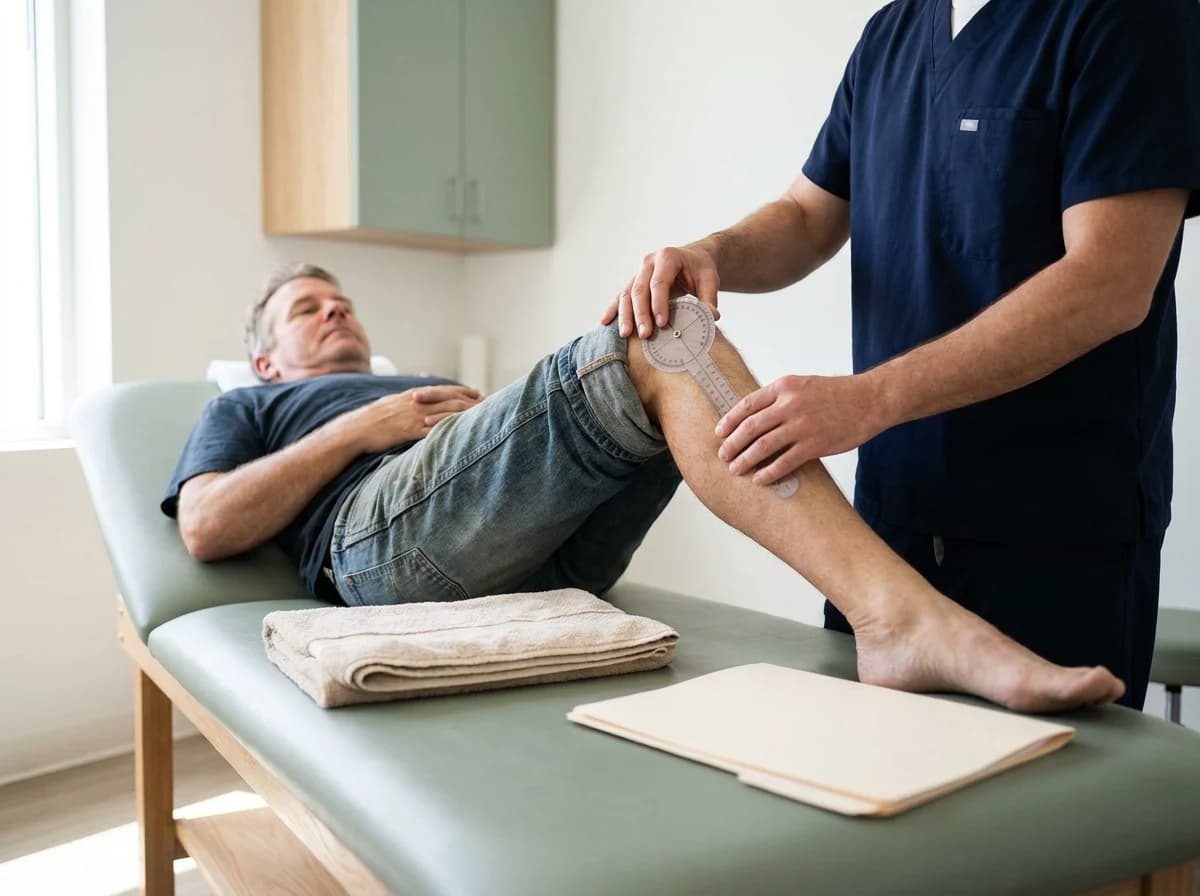
Medical exams in workers' comp
During a claim, the insurer may ask you to attend an independent medical examination, often called an IME. It is done by a doctor who is not your treating doctor, and the report goes into the claim file.
We explain the process in plain words: who can order an IME, how the appointment usually runs, what a functional capacity evaluation measures, and what the term maximum medical improvement means. The rules on notice, travel and second opinions are set by each state, and we cite the state agency for every one.
What this guide covers
- What an independent medical examination is and who orders it
- How a workers' comp IME differs from a visit with your treating doctor
- What a functional capacity evaluation measures
- What maximum medical improvement means in a claim
Official sources to read now

03 · Commercial drivers
DOT physicals
Commercial drivers need a medical examiner's certificate from an examiner listed on the FMCSA National Registry. The exam checks the standards the federal rules set, including vision, hearing and blood pressure.
Our guides quote the standards straight from the Federal Motor Carrier Safety Administration, with the date we read them, and explain what to expect at the appointment, what it usually costs and how to find a certified examiner. We do not tell anyone how a reading will be judged; only the examiner does that.
What this guide covers
- What happens at a DOT physical, step by step
- Typical costs and how to find a certified examiner near you
- The federal vision and blood pressure standards, as written
- Whether a DOT physical includes a drug test, and non-CDL physicals
Official sources to read now
04 · Employment testing
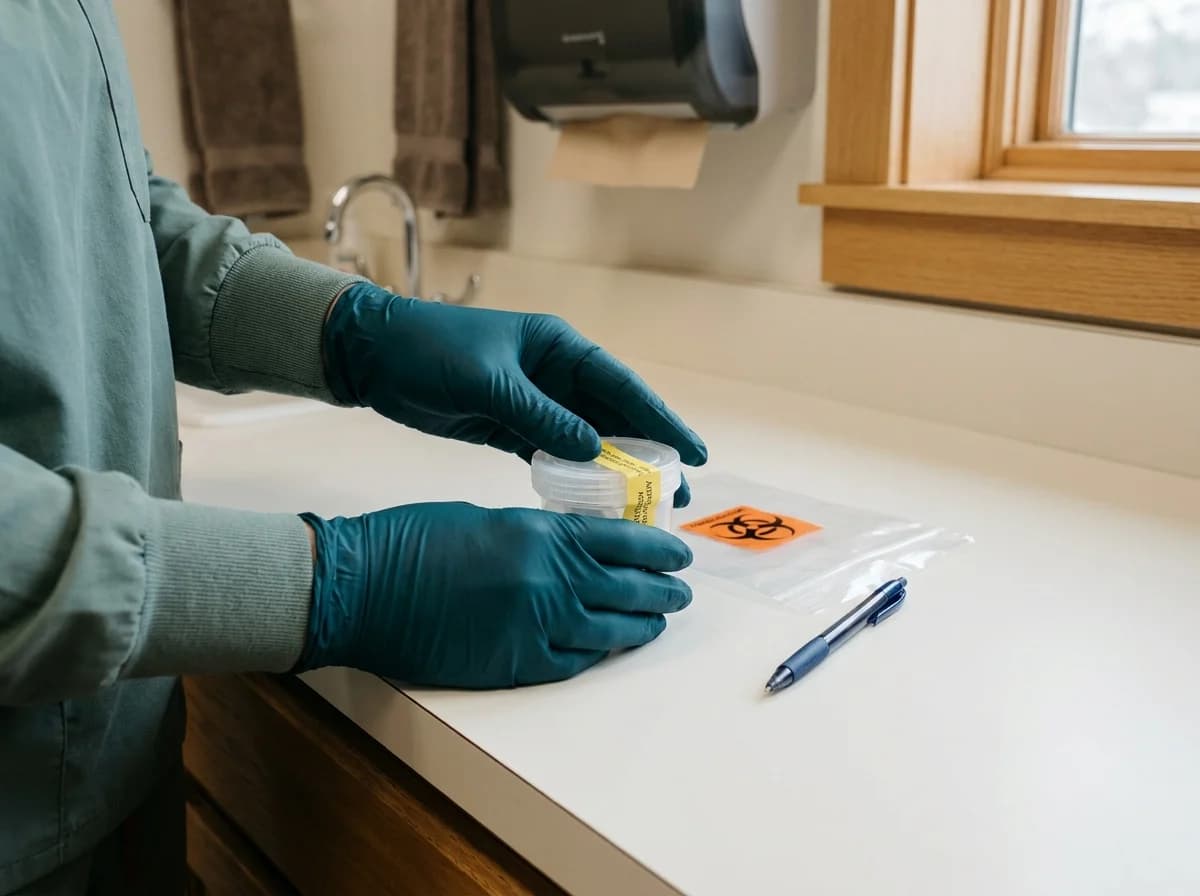
Workplace drug testing
Employers order drug and alcohol tests before hiring, after an accident, or under federal rules for safety-sensitive jobs. A DOT test follows the Department of Transportation's procedures; a non-DOT test follows the employer's own policy and state law.
We explain what each panel screens for, how a collection usually works, who reviews the result and how long results usually take. We never cover detection windows or ways to change a result.
What this guide covers
- What a pre-employment drug test looks for
- 5, 9 and 10 panel tests explained
- DOT versus non-DOT testing
- Breath alcohol tests and how long results take
Official sources to read now

05 · The specialty
Occupational medicine
Occupational medicine is the medical specialty focused on work and health: work injuries, workers' comp care, employment and DOT exams, and workplace testing. Physicians in the field can be board certified through the American Board of Preventive Medicine.
These guides describe what an occupational health clinic offers and what each common service involves, from employment physicals to respirator fit tests and hearing tests, so you know what an appointment is for before you go.
What this guide covers
- What occupational medicine is and who practices it
- What an occupational health clinic offers
- Employment physicals and N95 respirator fit tests
- Workplace hearing tests (audiograms)
Official sources to read now
A note on what we do not do. We are not a medical provider, and nothing on wc.doctor replaces a conversation with your own doctor about your care. Legal questions about a claim belong with a workers' comp lawyer; our sister site wc.lawyer explains that side. In an emergency, call 911. Read how we work.